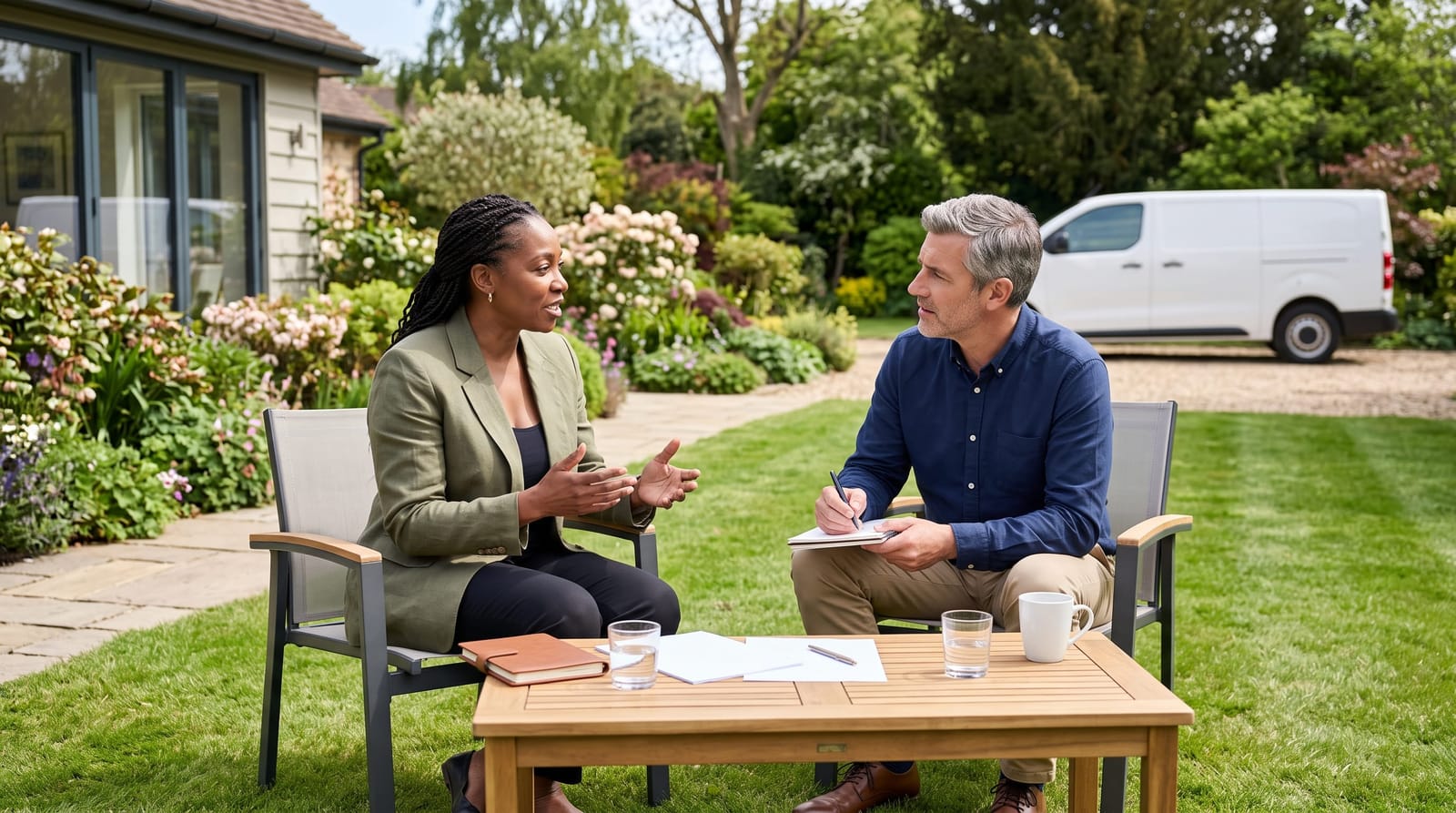
Mastermind Group Meeting Structure and Best Practices

When most entrepreneurs explore benefits of mastermind groups, they quickly discover that the quality of each meeting determines whether a group thrives or quietly dissolves. A well-designed mastermind group meeting structure transforms what could be an unfocused conversation into a high-leverage session that moves every member's business forward. Research shows that structured mastermind groups meet most commonly once a month for two to three hours, yet the difference between a group that produces measurable results and one that feels like a casual chat almost always comes down to how those hours are organized. This post breaks down the proven best practices for structuring mastermind group meetings, covering effective formats, facilitation techniques, time management strategies, accountability systems, and the habits that separate high-performing groups from average ones.
1. Anchor Every Meeting to a Repeatable Agenda
Consistency is the foundation of an effective mastermind group meeting structure. When members arrive knowing exactly what to expect, they prepare better, engage more deeply, and leave with clearer next steps. Groups that improvise their agenda week to week tend to experience what facilitators call "topic drift": discussions that meander without producing decisions or commitments.
A reliable agenda typically follows this flow:
- Opening check-in (10-15 minutes): Each member shares one win and one current challenge in 60 to 90 seconds. This energizes the room and signals where support is needed.
- Hot seat segment (60-90 minutes): One or two members present a focused business challenge and receive structured feedback from the group.
- Open discussion or teaching (20-30 minutes): A rotating member shares a strategy, tool, or insight the full group can apply.
- Accountability review (15-20 minutes): Members report on commitments made at the previous meeting.
- Goal-setting and close (10-15 minutes): Each member states their top commitment before the next meeting.
Studies of peer advisory organizations like Vistage, which serves more than 45,000 business leaders globally, consistently show that agenda-driven meetings produce significantly higher member satisfaction scores than unstructured sessions. Committing your group to a written agenda sent at least 48 hours in advance gives members time to prepare substantive input rather than reactive commentary.
Rotating the Agenda Ownership
Assigning a different member to facilitate each month distributes leadership responsibility and prevents any single voice from dominating the group's direction. Rotating facilitators also build each member's facilitation and leadership skills: an often-overlooked benefit of the mastermind group meeting structure itself.
2. Master the Hot Seat Format for Maximum Impact
The hot seat is widely considered the most valuable component of any mastermind group meeting structure. Done well, it concentrates the collective intelligence of 6 to 12 experienced entrepreneurs on a single member's most pressing problem: an intellectual resource that would cost thousands of dollars per hour to assemble on the consulting market.
A high-performing hot seat follows three distinct phases:
Phase 1: Problem Presentation (5-8 minutes)
The hot seat member presents their challenge without interruption. They should describe the situation, what they've already tried, and what a successful outcome looks like. Enforcing the no-interruption rule during this phase is critical: questions too early derail the presenter's thinking and fragment the group's understanding.
Phase 2: Clarifying Questions (5-10 minutes)
Group members ask questions exclusively to deepen their understanding, not to offer advice yet. The facilitator should actively redirect any question that slides into suggestion. This phase reveals assumptions the presenter may not have examined and often surfaces the real problem beneath the stated one.
Phase 3: Feedback and Recommendations (20-30 minutes)
Members share perspectives, analogies from their own businesses, and specific recommendations. The hot seat member listens without defending their position. At the close, they summarize the two or three ideas they'll act on: creating an immediate bridge to the accountability system.
Groups that strictly enforce hot seat timing report that the time constraint actually improves the quality of feedback. When members know they have 30 minutes rather than an open-ended session, contributions become more direct and actionable.
3. Build Non-Negotiable Attendance Standards
Attendance reliability is the single biggest predictor of long-term group cohesion. When members miss meetings frequently, trust erodes, accountability weakens, and the group's collective knowledge of each member's business context becomes fragmented. A member who misses three consecutive meetings effectively requires the group to "restart" their understanding of that person's situation.
Most high-performing mastermind groups enforce attendance through written agreements established at the group's founding. Common standards include:
- A maximum of two absences per 12-month period before membership is reviewed
- Required 48-hour advance notice for any absence
- A written update submitted before the meeting when a member cannot attend, so their challenges can still receive group input
- A clear process, established in advance, not reactively, for what happens when attendance standards are not met
The how to choose mastermind group process often reveals that top-performing groups select members partly based on demonstrated reliability and commitment to their existing professional obligations. Attendance standards only work when every member agrees to them before joining, not after a problem arises.
Virtual vs. In-Person Attendance Considerations
Groups that meet virtually report 23% higher average attendance rates compared to exclusively in-person groups, according to data from peer advisory platforms tracking group performance across industries. However, in-person retreats held two to four times per year significantly deepen trust and relationship quality in ways that video meetings struggle to replicate. A hybrid model, monthly virtual meetings plus quarterly in-person intensives, has become the dominant structure for business mastermind groups launched since 2020.
4. Implement an Accountability System That Creates Real Commitment
Accountability is the mechanism that converts mastermind group insights into business results. Without a structured system, members leave energized but often fail to execute on the ideas generated in the hot seat. Implementing a rigorous approach to mastermind group accountability systems is one of the highest-leverage investments a group can make.
Effective accountability within the mastermind group meeting structure operates at two levels:
In-Meeting Accountability
At the close of each meeting, every member states one to three specific, measurable commitments they will complete before the next session. These are recorded, either by a designated note-taker or in shared group software, and read back at the opening of the following meeting. The public nature of these commitments is intentional: research on commitment and consistency shows that people are significantly more likely to follow through on goals they've stated aloud to peers whose opinions they value.
Between-Meeting Accountability
High-performing groups supplement monthly meetings with lightweight mid-cycle check-ins. Options include:
- A weekly or bi-weekly group message thread where members post a single update on their primary commitment
- Paired accountability calls between designated "accountability partners" within the group
- A shared dashboard (using tools like Notion, Basecamp, or a simple Google Sheet) where members update their goals in real time
Groups using structured between-meeting accountability report up to 40% higher goal completion rates compared to groups relying solely on monthly session check-ins.
5. Develop Facilitation Skills That Protect Group Energy
Even the best mastermind group meeting structure fails without skilled facilitation. The facilitator's role is to protect the meeting's time, maintain psychological safety, and ensure that every member's voice is heard, not just the most dominant personalities in the room.
Core facilitation techniques that improve mastermind meeting quality include:
- Time-boxing with a visible timer: Display a countdown timer during each agenda segment. This single practice reduces time overruns by an average of 35% in facilitated group settings.
- The "parking lot" technique: When valuable but off-topic conversations emerge, capture them in a visible "parking lot" list to revisit at the meeting's end or in future sessions. This honors the idea without derailing the agenda.
- Balancing airtime: If two or three members consistently dominate discussion, the facilitator can use structured rounds, where each member contributes in sequence, to redistribute participation.
- Naming and neutralizing conflict: Productive disagreement strengthens group thinking. The facilitator's job is to distinguish between productive debate and interpersonal friction, and to address friction directly rather than allowing it to fester beneath the surface.
Preparing Members to Facilitate
Before rotating the facilitation role, provide each incoming facilitator with a one-page guide covering the agenda sequence, time allocations, and specific phrases for common situations (redirecting tangents, closing the hot seat, wrapping up the accountability review). Groups that invest 30 minutes in facilitator prep report measurably smoother meetings than those who hand off the role without preparation.
6. Evaluate and Evolve the Meeting Structure Regularly
A mastermind group meeting structure that works well in month three may need adjustment by month twelve. Members' businesses evolve, the group's trust deepens, and what once felt appropriately structured can begin to feel rigid or formulaic. Building a regular evaluation practice into your group's rhythm prevents stagnation.
Most groups benefit from a structured review every six months. This can be as simple as a 20-minute anonymous survey covering:
- How valuable are you finding the hot seat format? (1-10 scale)
- Is the current meeting length appropriate for the value delivered?
- Which agenda segment creates the most value for your business?
- What one change would most improve our meetings?
Sharing aggregated results openly with the group, and making at least one concrete change based on the feedback, demonstrates that the structure serves the members, not the other way around. Groups that conduct regular reviews report 28% higher long-term retention rates compared to groups that maintain a static format indefinitely.
Learning how to prepare for mastermind group meetings as an individual member also feeds directly into the group's collective evaluation: when members arrive better prepared, they generate higher-quality feedback on what's working and what isn't.
Related Details Worth Exploring
The topics covered in this post connect to several areas that warrant deeper exploration on their own terms. Understanding how to prepare for mastermind group meetings helps individual members show up ready to contribute at the highest level: a practice that compounds the group's collective output over time. Separately, building robust mastermind group accountability systems that extend beyond the meeting itself is one of the most impactful investments a group can make in its long-term results.
Conclusion
A strong mastermind group meeting structure is not a bureaucratic formality: it is the delivery mechanism for everything a mastermind group promises. By anchoring meetings to a consistent agenda, running focused hot seats, enforcing attendance standards, implementing dual-layer accountability, developing skilled facilitation, and committing to regular evaluation, your group can transform monthly meetings into one of the most productive growth investments in your entrepreneurial toolkit. Start by auditing your current meeting format against these best practices, identify the one area with the most room for improvement, and implement that change before your next session. The compounding effect of small structural improvements becomes significant over a 12-month period, and that's when mastermind groups truly earn their reputation.